Ensure Safe Deliveries with Secure Packaging
- Dec 6, 2025
- 4 min read
When it comes to shipping products, ensuring they arrive safely is crucial. Damaged goods not only lead to unhappy customers but also increased costs and wasted resources. Safe packaging plays a vital role in protecting items during transit. This article will guide you through practical and effective safe packaging tips to help you achieve secure deliveries every time.
Why Safe Packaging Matters
Safe packaging is more than just wrapping a product in bubble wrap or placing it in a box. It is a strategic process designed to protect the contents from damage caused by impacts, vibrations, moisture, and other environmental factors during shipping. Proper packaging reduces the risk of returns, complaints, and loss of reputation.
For example, fragile items like glassware or electronics require cushioning materials such as foam inserts or air pillows to absorb shocks. Heavy items need sturdy boxes with reinforced corners to prevent crushing. Without appropriate packaging, even the best products can arrive broken or unusable.
Investing time and resources in safe packaging ultimately saves money by reducing product damage and improving customer satisfaction.
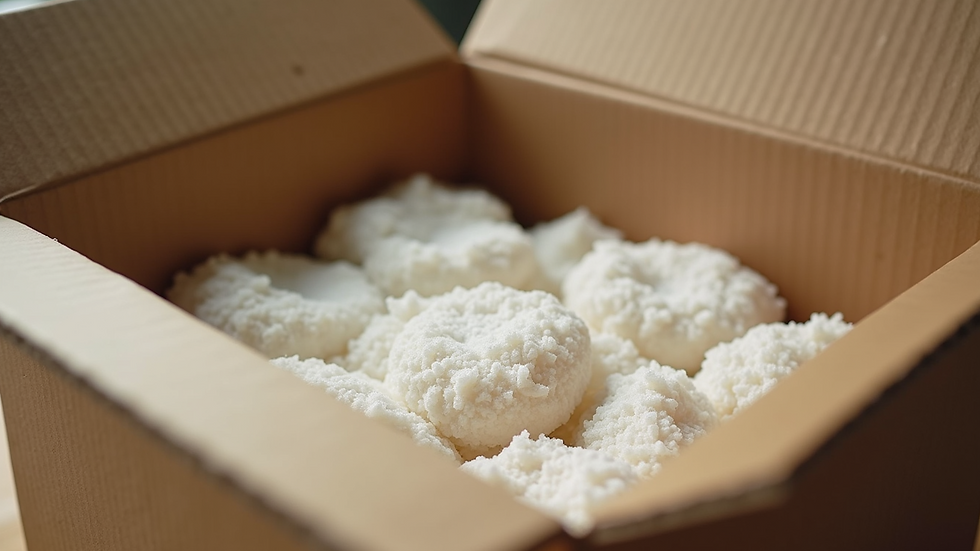
Caption: Proper cushioning inside a box protects fragile items during shipping.
Essential Safe Packaging Tips for Every Shipment
To ensure your packages arrive intact, follow these essential safe packaging tips:
Choose the Right Box Size
Use a box that fits your product snugly but allows space for cushioning. Too large a box increases movement inside, while too small a box may crush the item.
Use Quality Packaging Materials
Invest in durable boxes, bubble wrap, foam peanuts, or air pillows. Avoid reusing damaged boxes or low-quality fillers.
Wrap Items Individually
If shipping multiple items, wrap each separately to prevent them from knocking against each other.
Seal Boxes Securely
Use strong packing tape to seal all seams and edges. Reinforce corners if necessary.
Label Packages Clearly
Include handling instructions like "Fragile" or "This Side Up" to alert carriers.
Consider Weather Protection
Use waterproof materials or plastic liners if your package might be exposed to moisture.
Test Your Packaging
Before shipping, shake or gently drop the package to check if the contents are secure.
By following these tips, you can significantly reduce the risk of damage during transit.
What is secure packaging?
Secure packaging refers to the use of materials and techniques that ensure the safety and integrity of products during shipping and handling. It involves selecting the right packaging components, such as boxes, fillers, and seals, to protect items from physical damage, theft, or tampering.
For instance, tamper-evident seals or reinforced tape can deter theft or unauthorized opening. Shock-absorbing materials protect delicate items from impacts. Secure packaging also considers the entire supply chain, including storage and transportation conditions.
Businesses often rely on secure packaging solutions to maintain product quality and customer trust. These solutions are tailored to the specific needs of the product, shipping method, and destination.

Caption: A shipping box sealed with tamper-evident tape to ensure package security.
Packaging Materials and Their Best Uses
Choosing the right packaging materials is key to safe deliveries. Here are some common materials and when to use them:
Corrugated Cardboard Boxes
Ideal for most products, available in various strengths and sizes.
Bubble Wrap
Provides cushioning for fragile items like glass, ceramics, and electronics.
Foam Peanuts and Air Pillows
Fill empty spaces to prevent movement inside the box.
Packing Paper
Wraps items or fills gaps; eco-friendly option.
Plastic Wrap and Shrink Wrap
Protects against moisture and dust.
Reinforced Tape
Secures boxes and adds strength to seams.
For example, shipping a ceramic vase would require a double-walled cardboard box, bubble wrap around the vase, and foam peanuts filling the remaining space. The box should be sealed with reinforced tape and labelled "Fragile."
Using the right materials tailored to your product type and shipping conditions ensures maximum protection.
Tips for Eco-Friendly and Cost-Effective Packaging
Safe packaging does not have to be wasteful or expensive. Here are some tips to balance safety, cost, and environmental responsibility:
Use Recyclable Materials
Opt for cardboard, paper, and biodegradable fillers.
Right-Size Your Packaging
Avoid oversized boxes that waste materials and increase shipping costs.
Reuse Packaging When Possible
Inspect and reuse boxes and fillers that are still in good condition.
Buy Packaging in Bulk
Reduces cost per unit and packaging waste.
Choose Multi-Functional Materials
For example, bubble wrap that can be reused as cushioning or insulation.
Educate Customers
Encourage recipients to recycle or reuse packaging materials.
By implementing these strategies, you can protect your products while supporting sustainability and reducing expenses.
Final Thoughts on Ensuring Safe Deliveries
Safe packaging is a critical part of the shipping process that protects your products and your brand reputation. By understanding the importance of packaging, selecting the right materials, and following practical tips, you can ensure your deliveries arrive safely and satisfy your customers.
Remember to test your packaging methods regularly and stay updated on new materials and technologies. Whether shipping locally or internationally, investing in quality packaging solutions pays off in fewer damages, happier customers, and lower costs.
Start improving your packaging today and experience the benefits of secure, safe deliveries.



Comments